LostGenSupply · The Medium
WHAT IS BLOTTER ART?
Art on perforated blotter paper — a psychedelic-era folk format that grew up into a signed, numbered, collectible print medium.
Blotter art is artwork printed on blotter paper — a thick, absorbent sheet divided by perforations into a grid of small squares. An image printed across the grid becomes two things at once: a single picture, and a field of tiny repeated frames. That double nature is the whole appeal. The sheet is the medium, the way wood grain or aluminum is a medium, and artists compose for the grid rather than despite it.
Where the format came from
Blotter paper entered popular culture in the late 1960s and 1970s as a carrier medium, and the sheets quickly picked up artwork of their own — small, bold, instantly recognisable graphics, one per square. Those graphics became a folk art of the psychedelic era, and collectors began keeping the sheets as artifacts. From the 1990s onward, artists and publishers started issuing signed, numbered blotter editions as art objects in their own right — printed on fresh, untreated blotter paper and sold through galleries and art publishers like any other limited edition. Collectors such as Mark McCloud spent decades documenting the early sheets; the modern editions are their legitimate descendants. To be plain about it: a blotter art print contains nothing but ink on paper. It is bought, framed, and collected exactly like any other print.
Why collectors chase it
Three reasons. The texture — no other print surface has the perforated grid, and artists from the graffiti, rock-poster, and psychedelic scenes use it deliberately. The editions — blotter runs tend to be small, signed, and numbered, often with a certificate of authenticity or letter of provenance. And the lineage — the format carries fifty years of counterculture history, so a sheet by a photographer who was actually there, or a graffiti writer working in a folk medium, means something a plain poster doesn't.
What to look for
- Signature and numbering on the sheet itself, from the artist's hand.
- A small edition — and the edition size stated plainly.
- Documentation — a certificate of authenticity or letter of provenance where the publisher issued one.
- A complete, flat sheet — full grid intact, no creases, no trimmed edges.
- The artist's connection to the medium — the strongest sheets come from artists whose work belongs in this format.
Caring for a sheet
Keep it flat, dry, and out of direct light. The perforations that make the format are also its weakness: a crease across the grid is forever, so frame the sheet flat behind UV-filtering acrylic, handle it by the edges only, and never roll it tight. Stored that way, blotter paper is as durable as any art paper in a collection.
Blotter art in the Vault
The Vault currently holds 10 blotter pieces — including Tim Page's Vietnam-era photography, Leni Sinclair's Detroit rock archive, and sheets from Denial, Sheefy, and Mike Giant. Every one is photographed whole; open a piece for its full dossier.
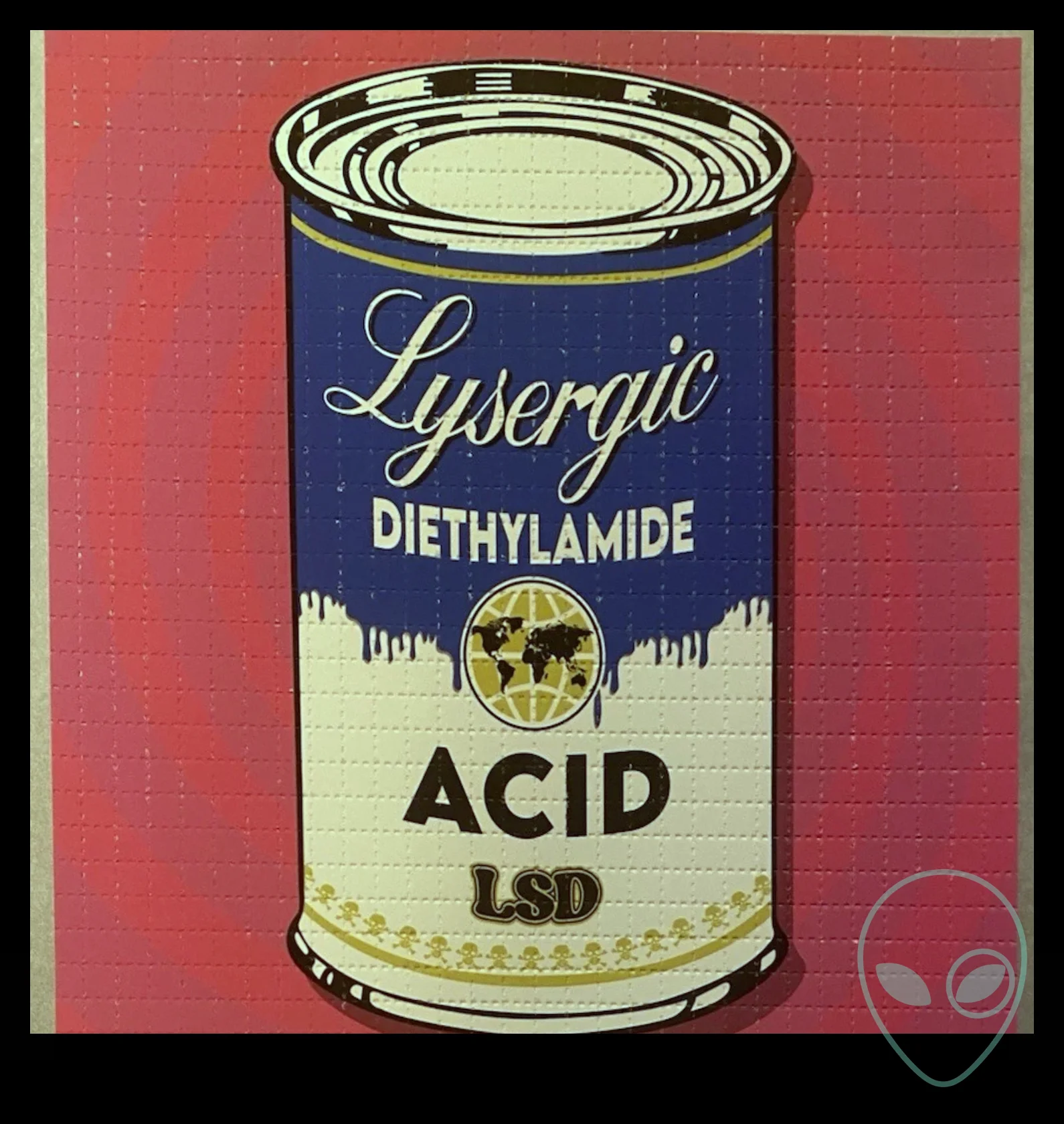 Denial“Super Soup Pink Trip”
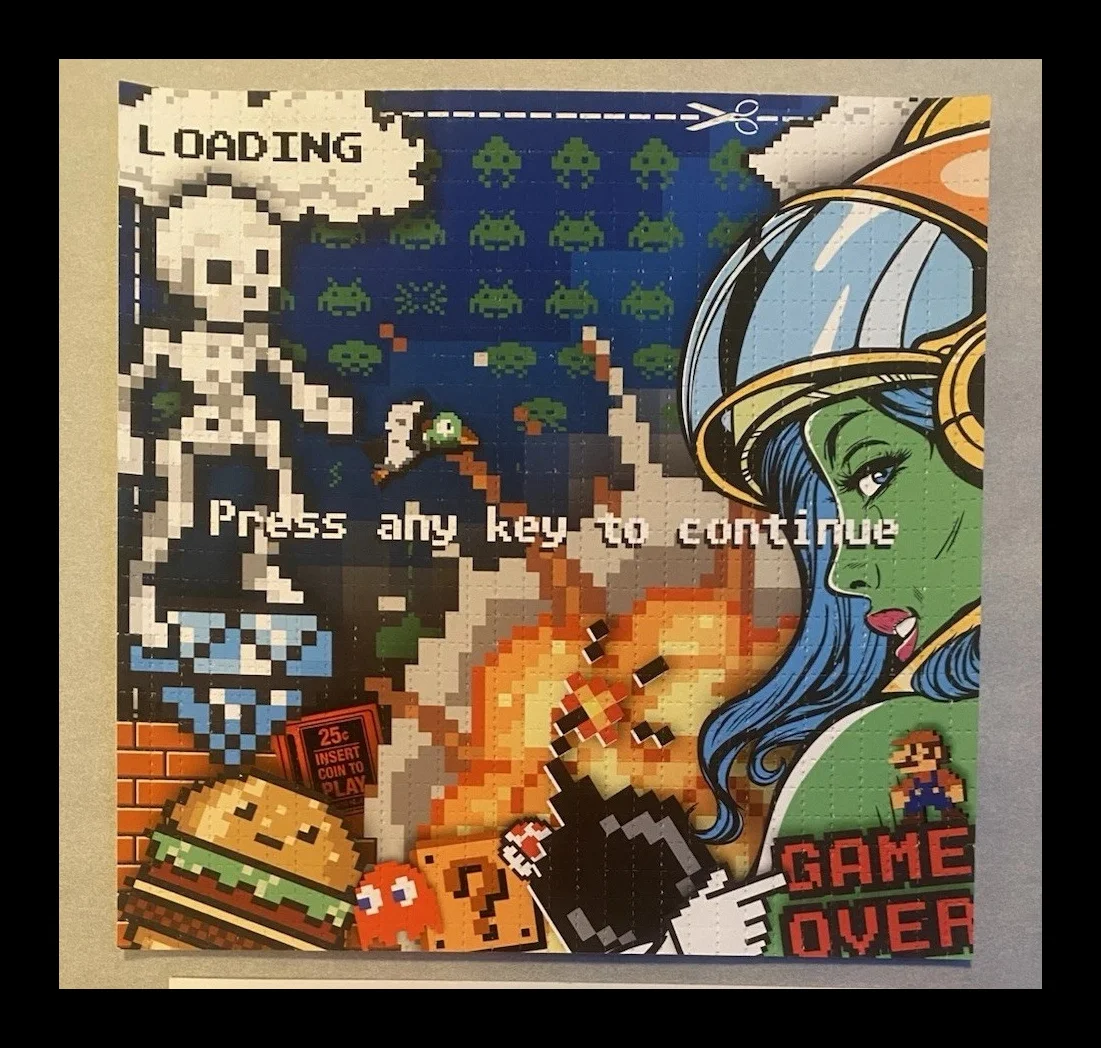 Denial“Upside Downloading”
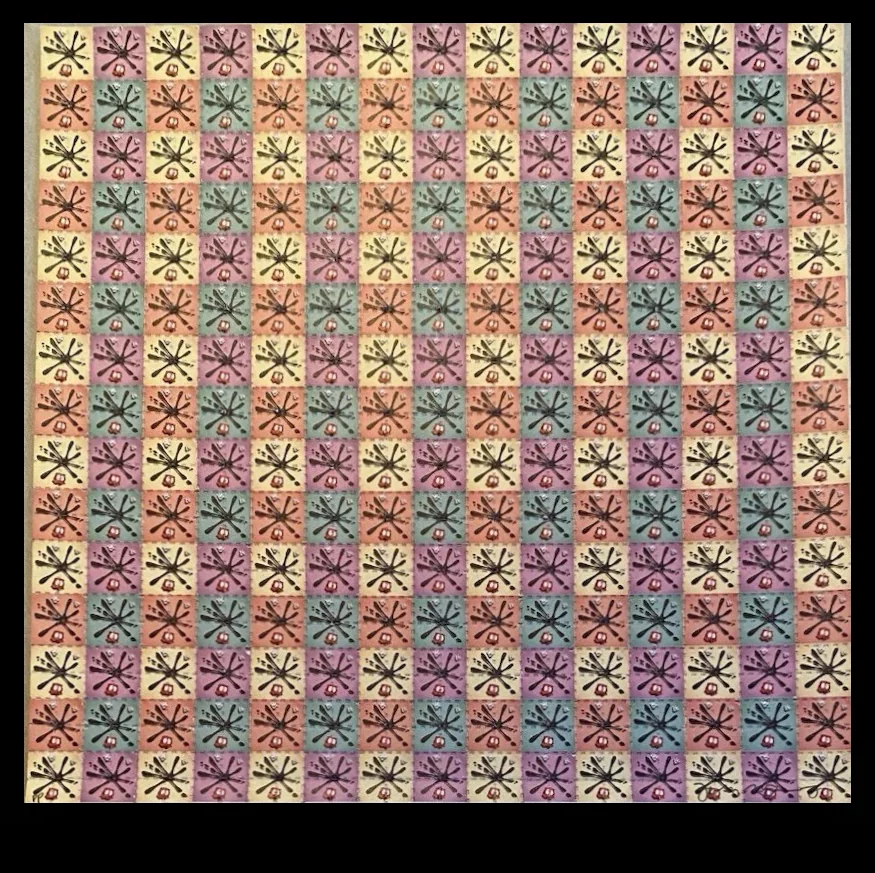 Jason Freeny“Splat! Grid”
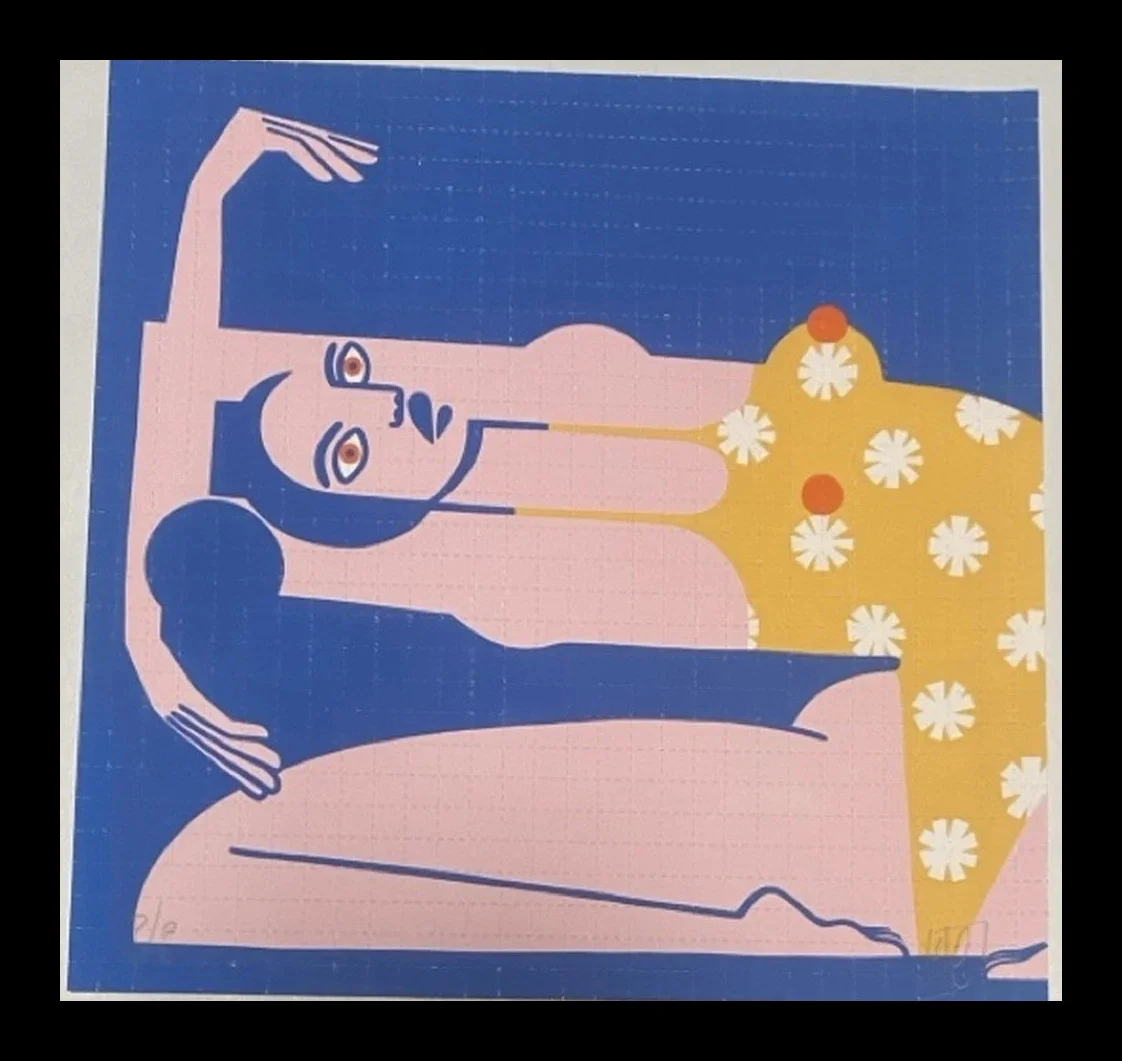 Jillian Evelyn“Contorted”
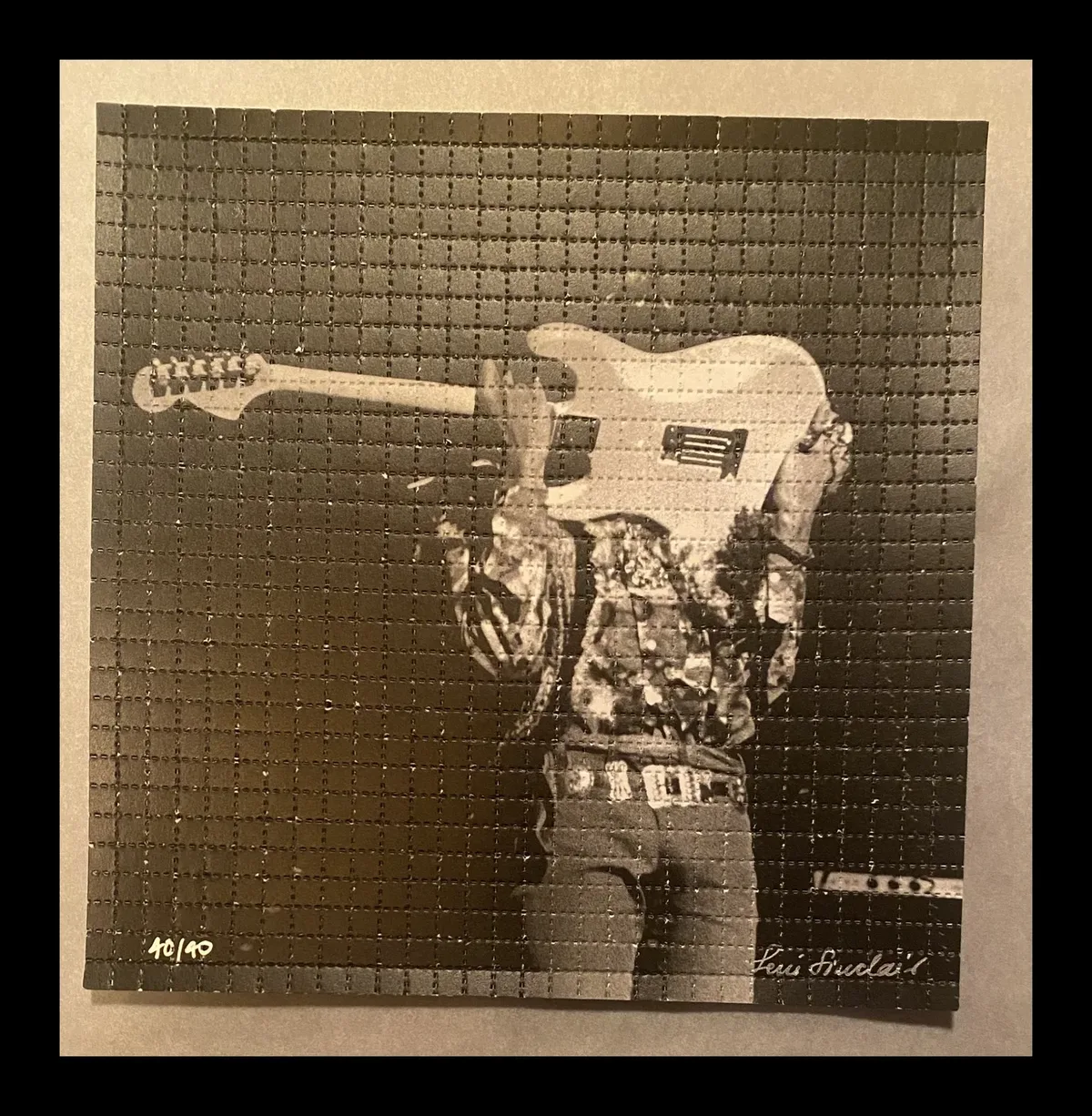 Leni Sinclair“Jimi Hendrix II”
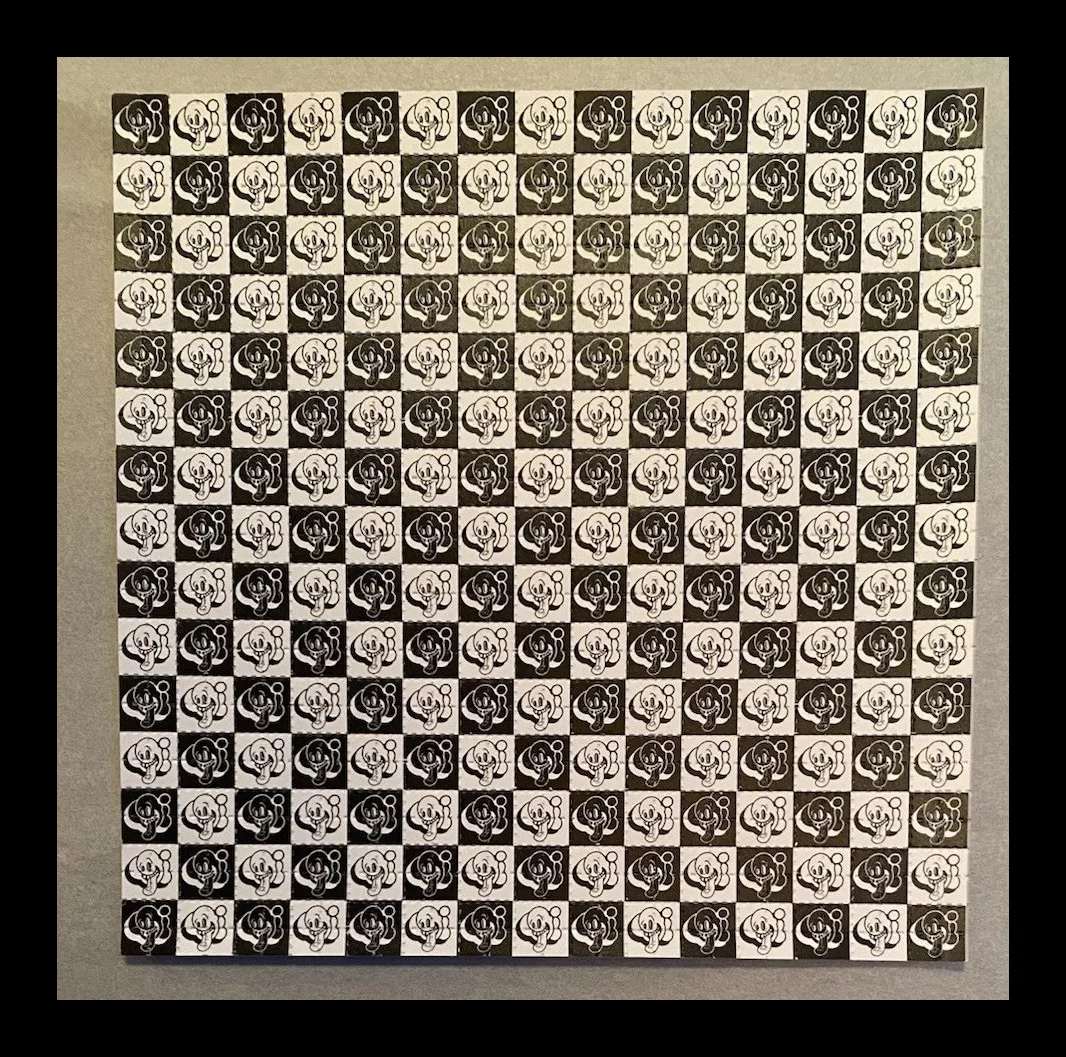 Mike Giant“Smiley”
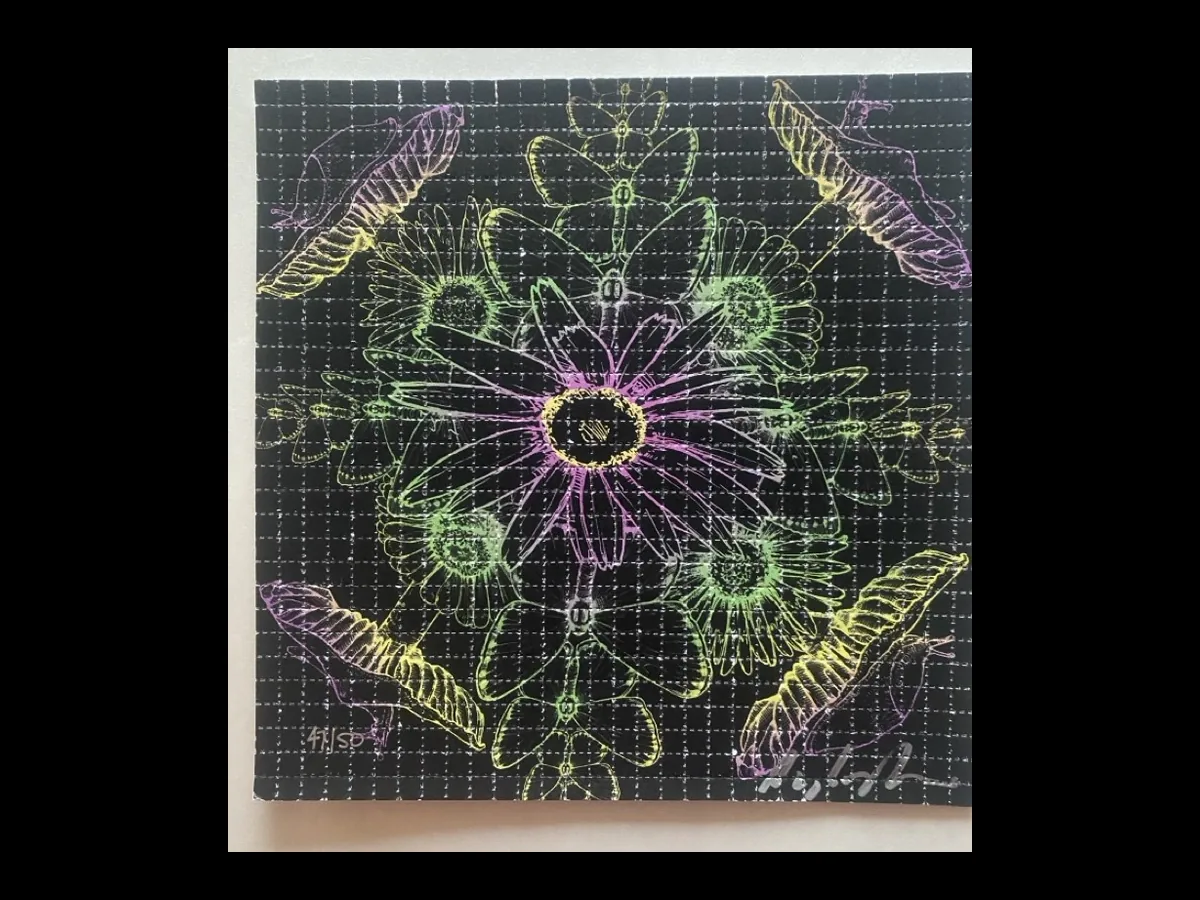 Sage Vaughn“Tiger Woods - Inverted”
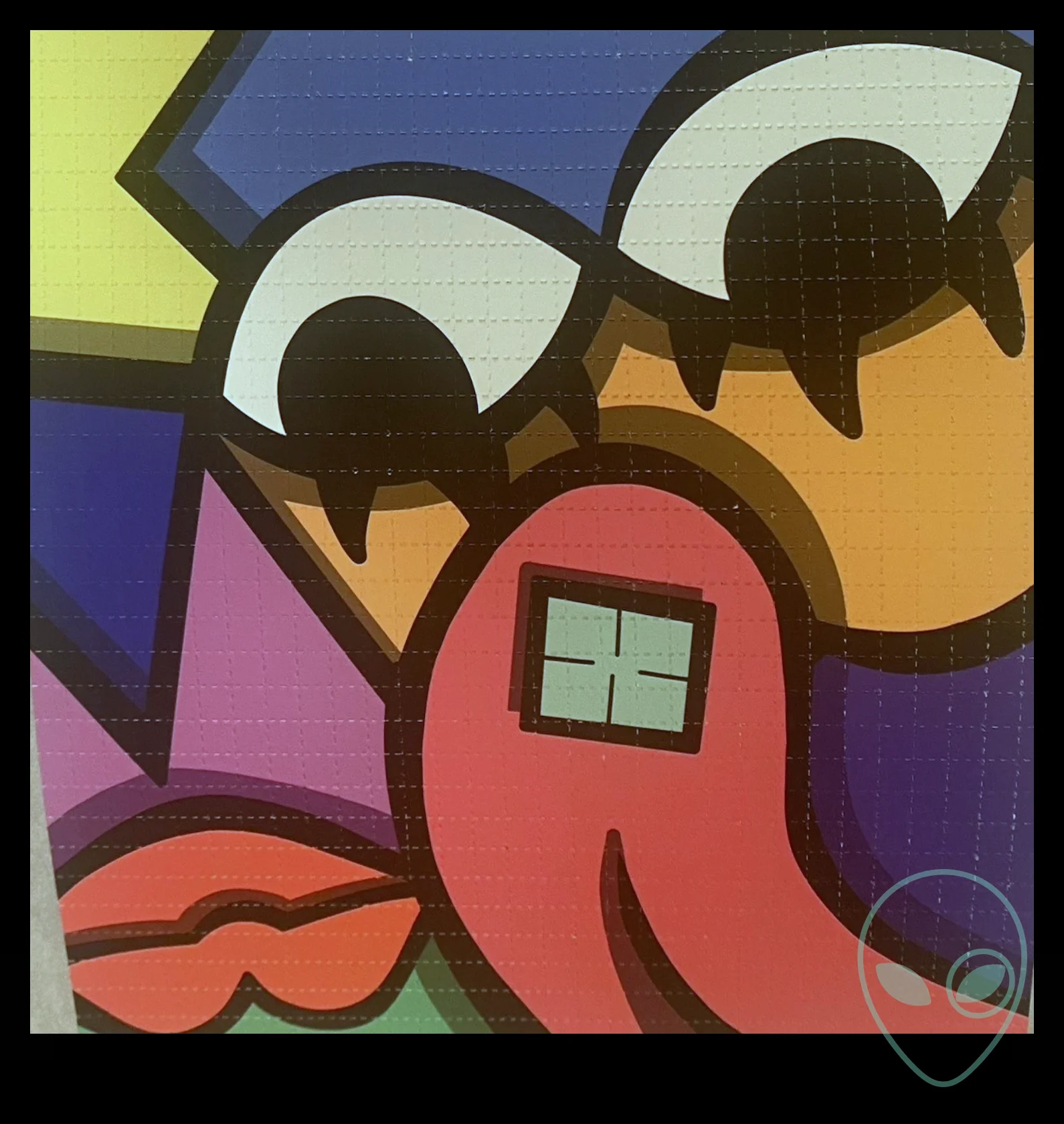 Sheefy“Rainbow Dosage”
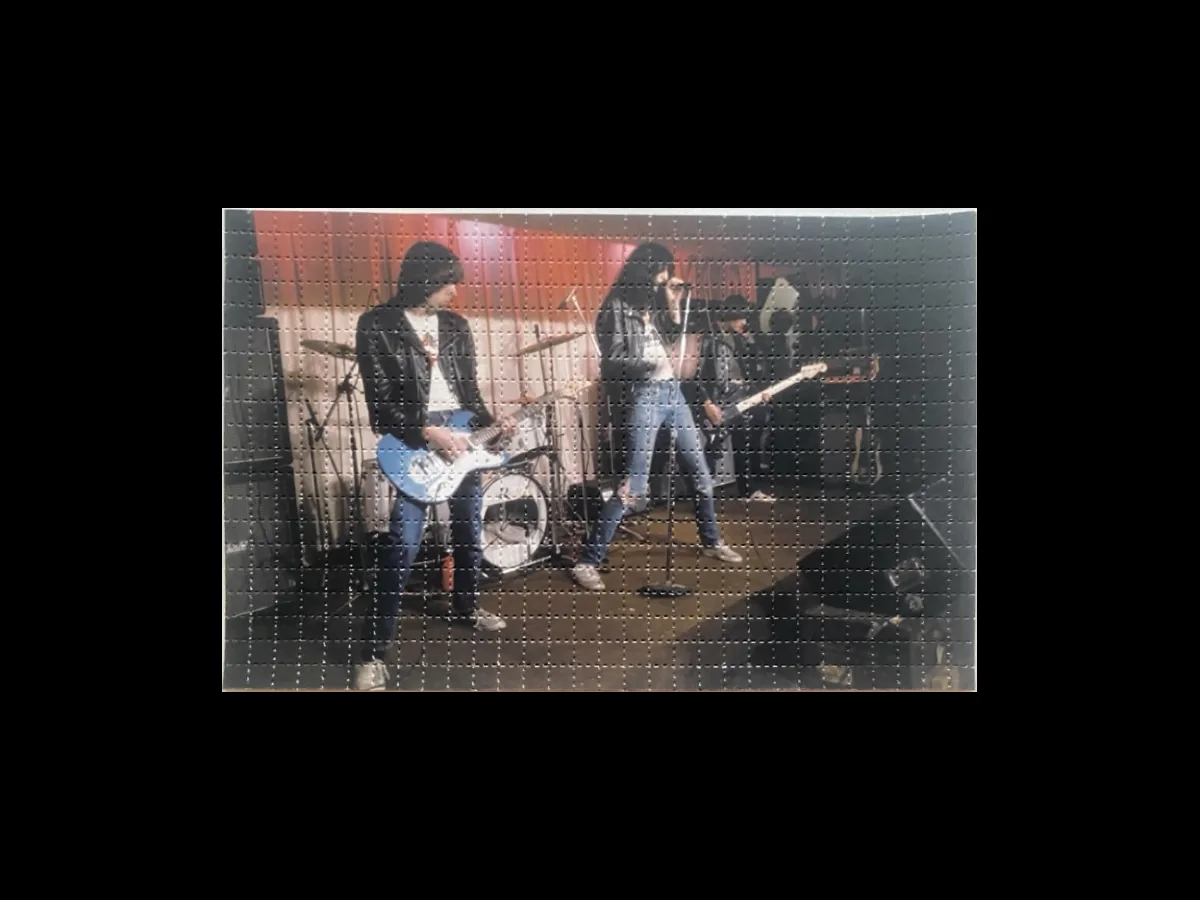 Tim Page“Ramones '76”
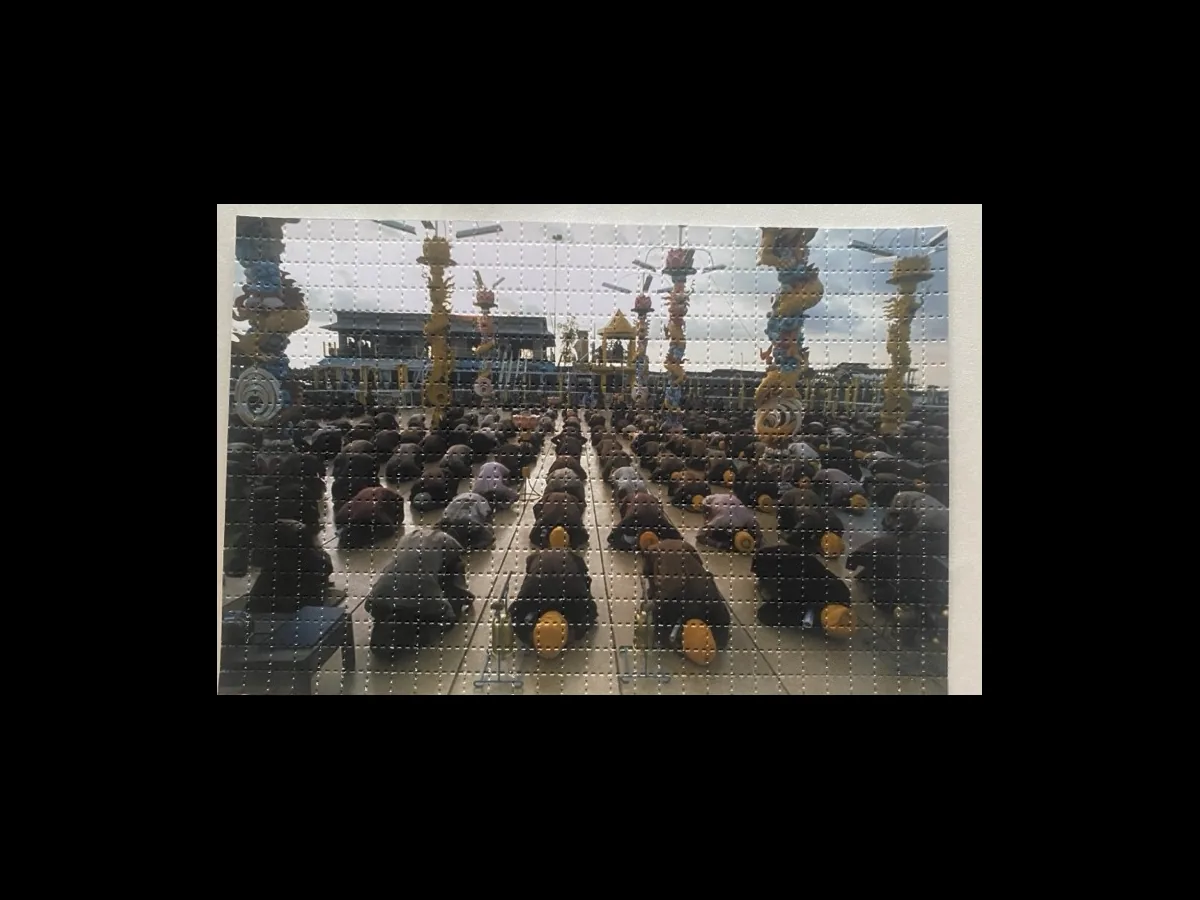 Tim Page“Saffron (Dao Island '68)”
New to the format and weighing a first sheet? Browse the artists, or head back to THE VAULT.